The Internet is Not a Cloud (It's a Cable in Lekki)
A deep conversation about how the global internet actually works, why some networks are faster, and what happens if someone unplugs Nigeria.
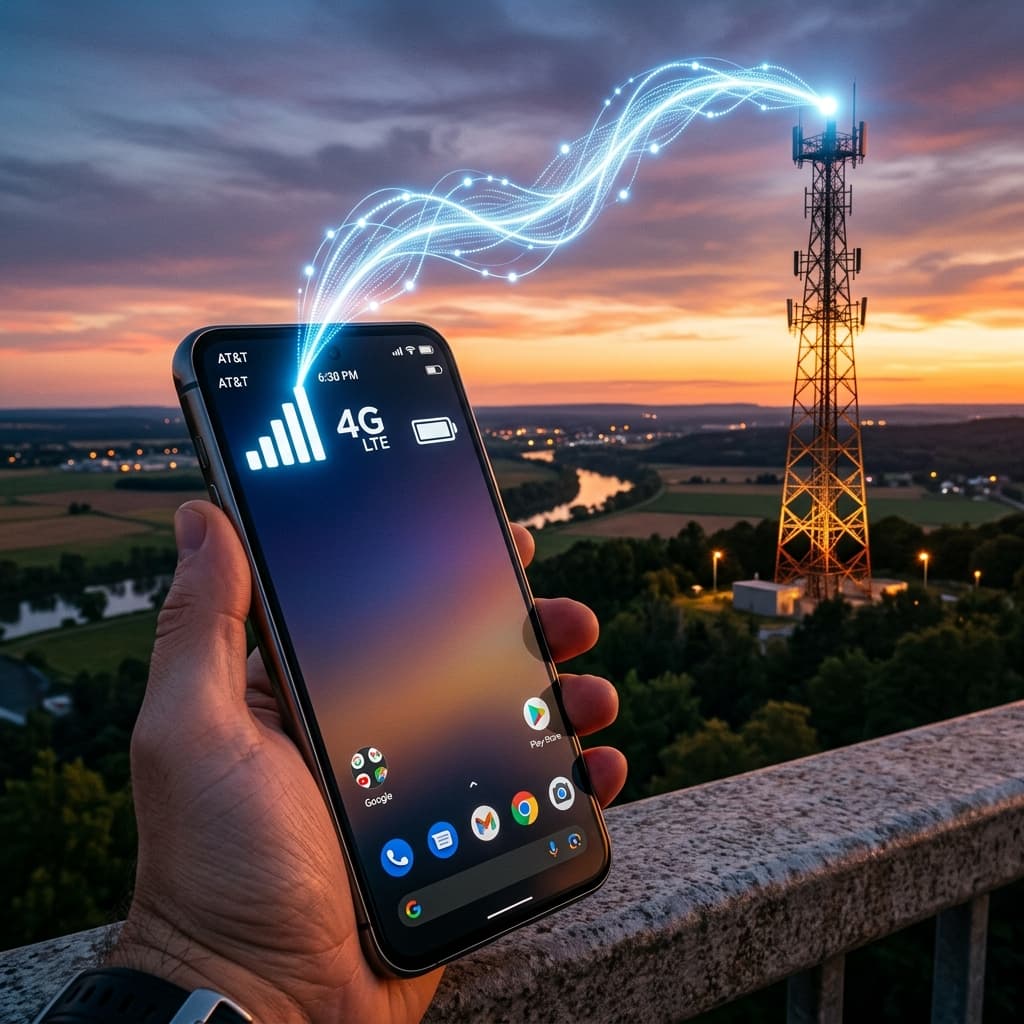
AH! Why is it buffering?! MTN, do your normal please!
The internet is probably congested today, make dem fix their cloud or something
You know the internet isn't an actual cloud, right? Like... there are no magical signals floating in the sky holding all the world's data.
Wait, what? My phone is wireless. Wi-Fi is wireless. What do you mean it's not in the sky?
It is only wireless for a very short distance. From your phone to the nearest mast. You know those tall red-and-white towers you see everywhere with the loud generators?
Yeah, checking every neighborhood.
Exactly. At the base of every mast, the signal stops being wireless. It drops into a physical cable, a glass thread called fiber optic. From there, your WhatsApp message literally races underground at the speed of light.
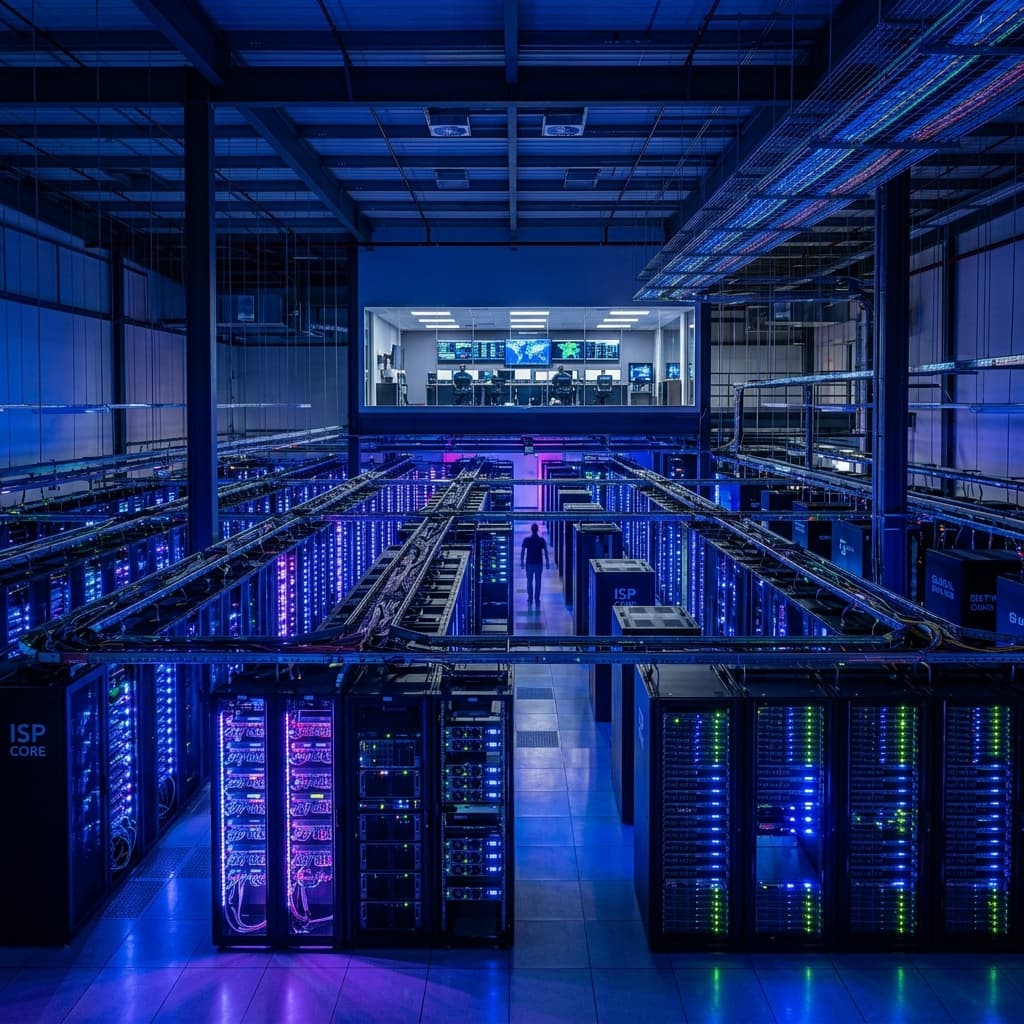
Wait... underground? If it's all physical cables, then why is MTN sometimes faster than Glo or Airtel? If they are all just cables in the ground, shouldn't the speed be exactly the same?
Think of network speed like plumbing. The global internet is an ocean of data. MTN, Glo, and Airtel don't own the ocean, but they buy "pipes" to bring that data into Nigeria. One ISP might pay for a massive, wide pipe (more bandwidth/capacity), while another buys a smaller pipe to save money.
Also, it depends on your street and your connection type! That's why sometimes 3G can actually be faster than 4G.
Wait, seriously? I thought 4G is always an upgrade.
Technically, 4G has a bigger capacity. But if 5,000 people in your area are all connecting to the exact same 4G mast to watch Netflix, that specific lane gets highly congested. Meanwhile, only 50 people might be using the older 3G lane on that same mast. So the 3G lane flows perfectly while the 4G lane is jammed. It's not the internet's fault; traffic is just bottlenecked on your neighborhood's data highway.
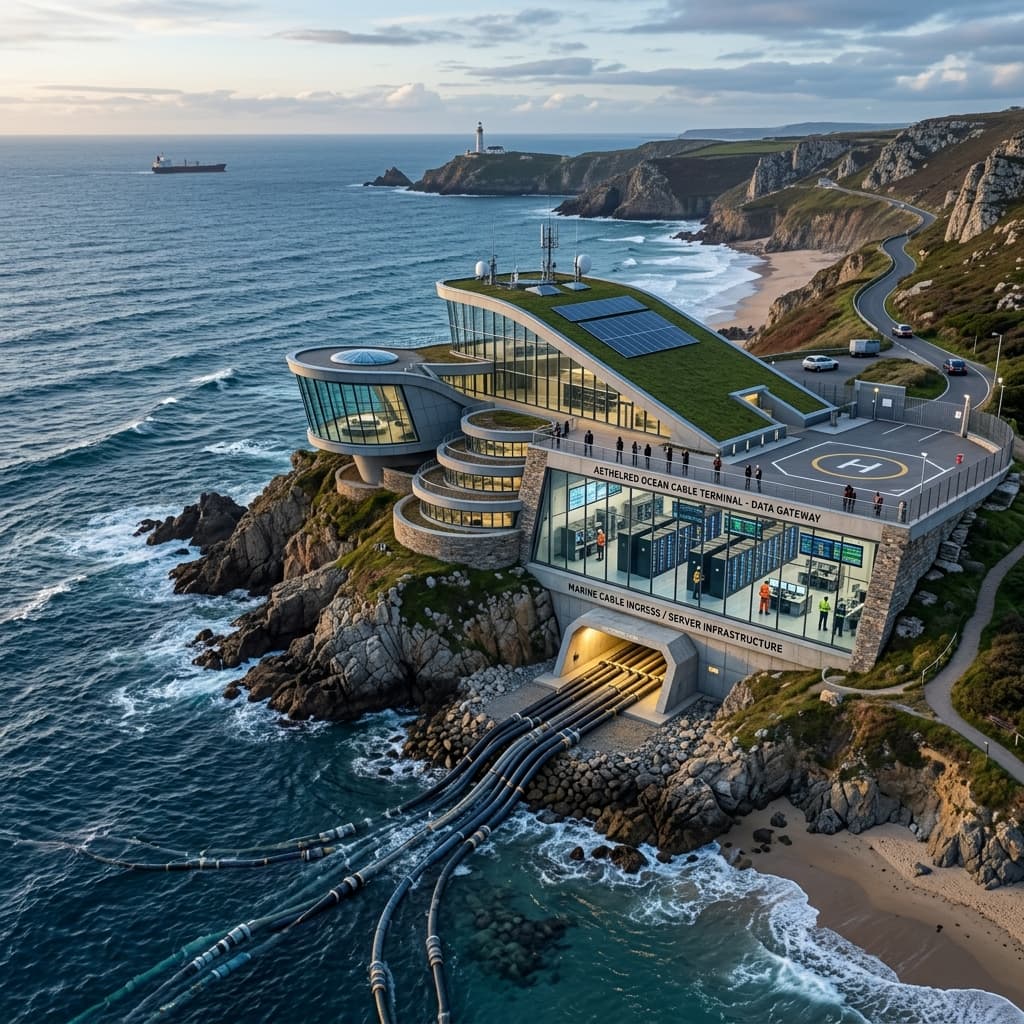
Okay, making sense. So where do all these ISP pipes in Nigeria actually meet? Is there a "Headquarters of Nigeria's Internet" making sure an MTN user can chat with an Airtel user?
Actually... yes! Inside Nigeria, there is a central hub called the IXPN (Internet Exchange Point of Nigeria). It's essentially a highly secure, giant room packed with servers where MTN, Airtel, Glo, local banks, and universities physically plug their cables into each other.
Why plug into each other in one room?
So your data doesn't have to leave the country! If you send 10k from your GTBank app to a friend's Access Bank account, that data just goes from your phone, to your mast, straight to the IXPN in Lagos to verify the banks, and back to your friend. It stays 100% locally routed. Fast and cheap.
But what if I open Instagram or YouTube? Those aren't hosted inside Nigeria.
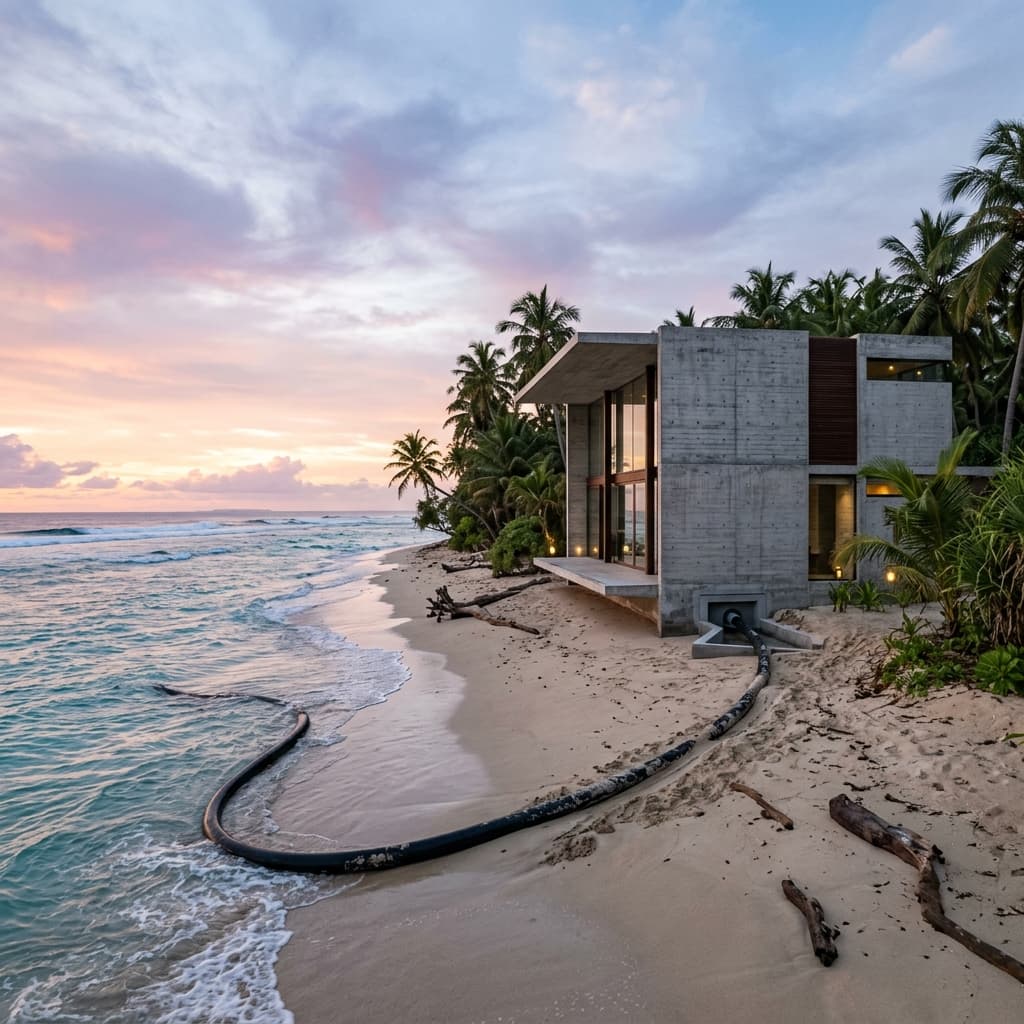
Exactly. That's when your data leaves the local networks and heads straight for the beach. Specifically, heavily fortified buildings in places like Lekki or Victoria Island called "Landing Stations."
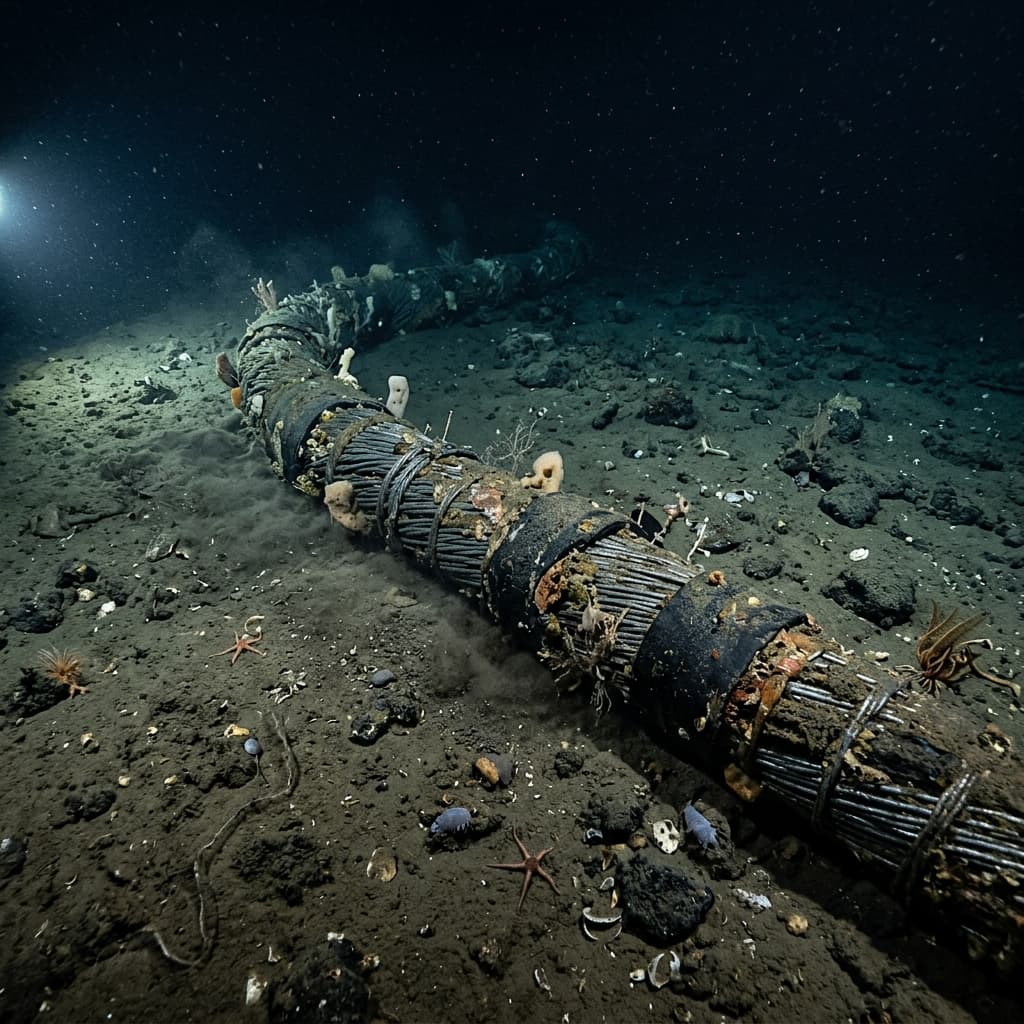
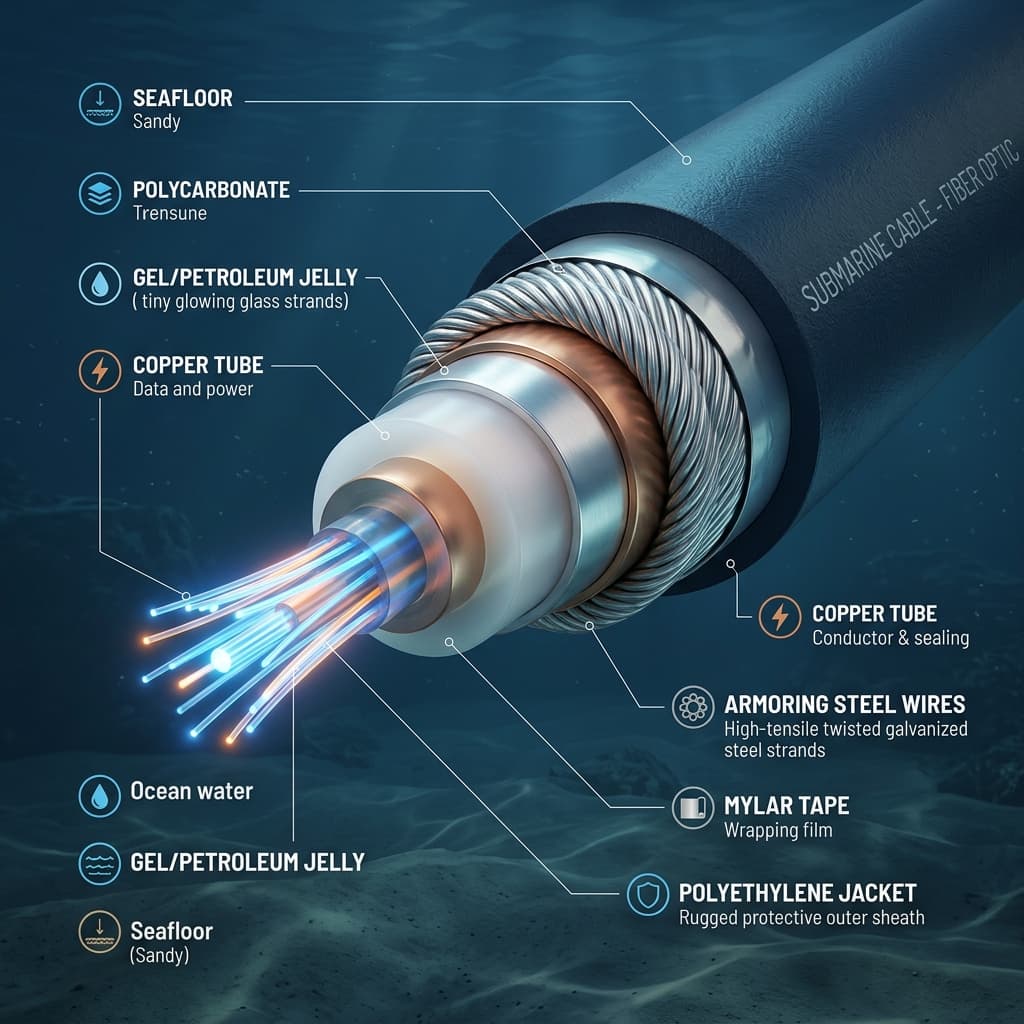
At the Landing Station, the local Nigerian pipes connect to massive, armored cords called "Submarine Cables". These cables dive right off the coast of Lagos and crawl along the bottom of the Atlantic Ocean to other continents.
Under the ocean?! What about sharks and ship anchors? They can just slice it!
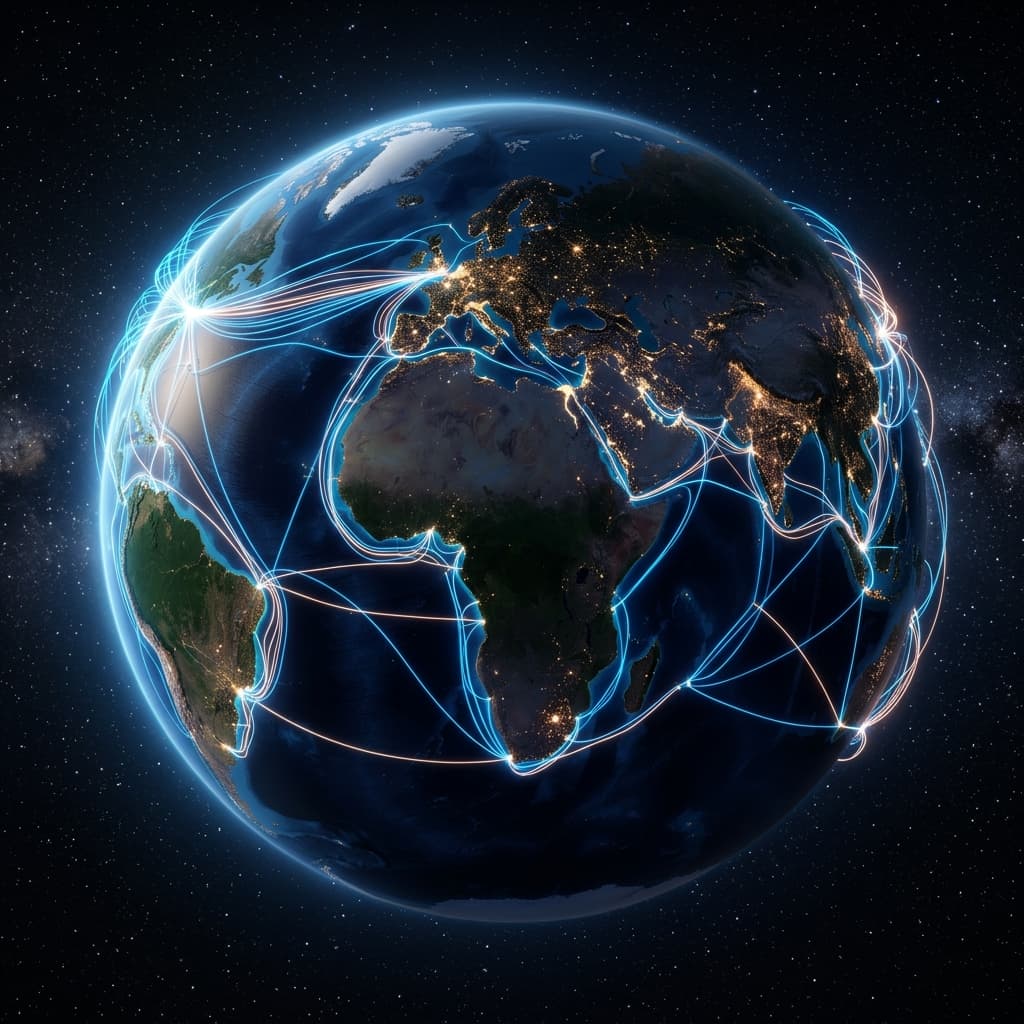
They wrap the glass threads in heavy steel and copper to prevent that. Google built a huge one recently called Equiano. There is MainOne, Glo-1... they literally run thousands of miles along the ocean floor all the way to places like Portugal, France, or the UK.
Okay, so the cable lands in the UK. Then what? Where is the main global server it plugs into? Is there a central computer running the whole world?
No, there is no "Center" of the internet. The internet isn't a single machine. It's just millions of computers agreeing to talk to each other using the same language.
When our submarine cable lands in Europe, it connects to Europe's own underground fiber cables. Which connect to America's cables. Which connect to Asia's cables. It's basically a giant, messy spiderweb covering the entire planet.
So... wait. If it's literally just a web of physical cables... what happens if someone goes under the ocean and cuts all the submarine cables leaving Lagos? If I host my business website on a server inside Nigeria, will people here still be able to open it?
If you host your website on a server inside Nigeria, and your customers are in Nigeria, it will work perfectly even if the cables are cut!
That's the beauty of local hosting. Because the local cables (the National Backbone) are still intact, and you are both plugged into the IXPN in Lagos, your data never needs to "swim" across the ocean. You've basically built your own internal Nigerian internet.
But wait, how does my phone even know where to find that local server? I don't type in codes, I type "mybusiness.ng".
Ah, you're talking about the DNS, the "Phonebook" of the internet. Most people use Google's phonebook (8.8.8.8) or Cloudflare's. But if the sea cables are cut, your phone can't reach Google in America to ask "Where is mybank.com.ng?".
Wait, so even if the bank's computers are in Lagos, my phone first goes to the US to check the phonebook, then comes back to Nigeria to talk to the bank?
Exactly! That's why some things feel slow. Your data is literally flying across the Atlantic twice just to find a computer in the next street.
So if the sea cables are cut, I can't find my bank even if the website is next door because the "Phonebook" is in America?
Exactly! Unless... your ISP uses a local DNS resolver inside Nigeria. This is why it's so important for our local infrastructure to be self-sufficient. If the "Phonebook" is also hosted inside that IXPN room in Lagos, then Nigeria keeps running fine while the rest of the world is cut off.
Wow. So a country can actually be completely isolated out of nowhere?
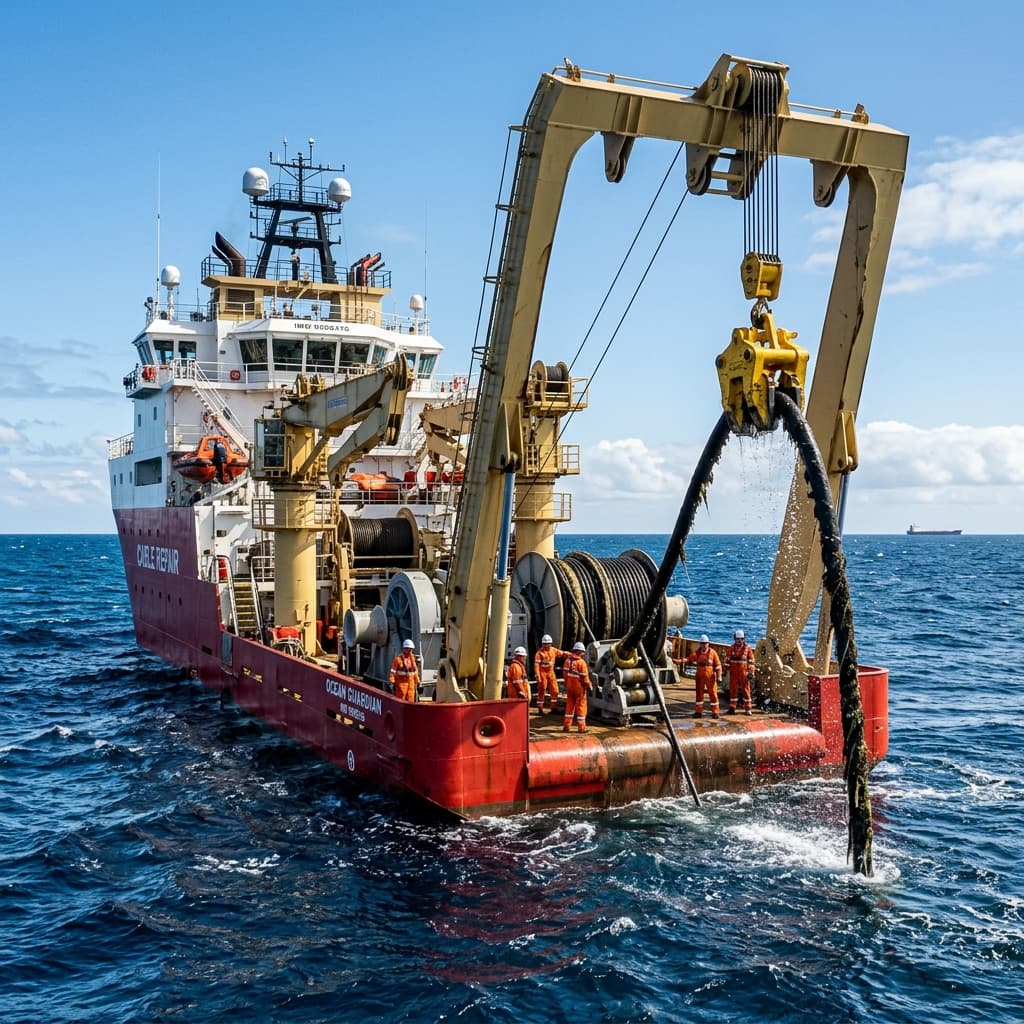
Yes! It has happened before in several parts of Africa. Sometimes a ship's anchor accidentally drags across the sea floor and slices a major cable. Millions of people lose connection until a specialized ship goes out to the middle of the ocean.
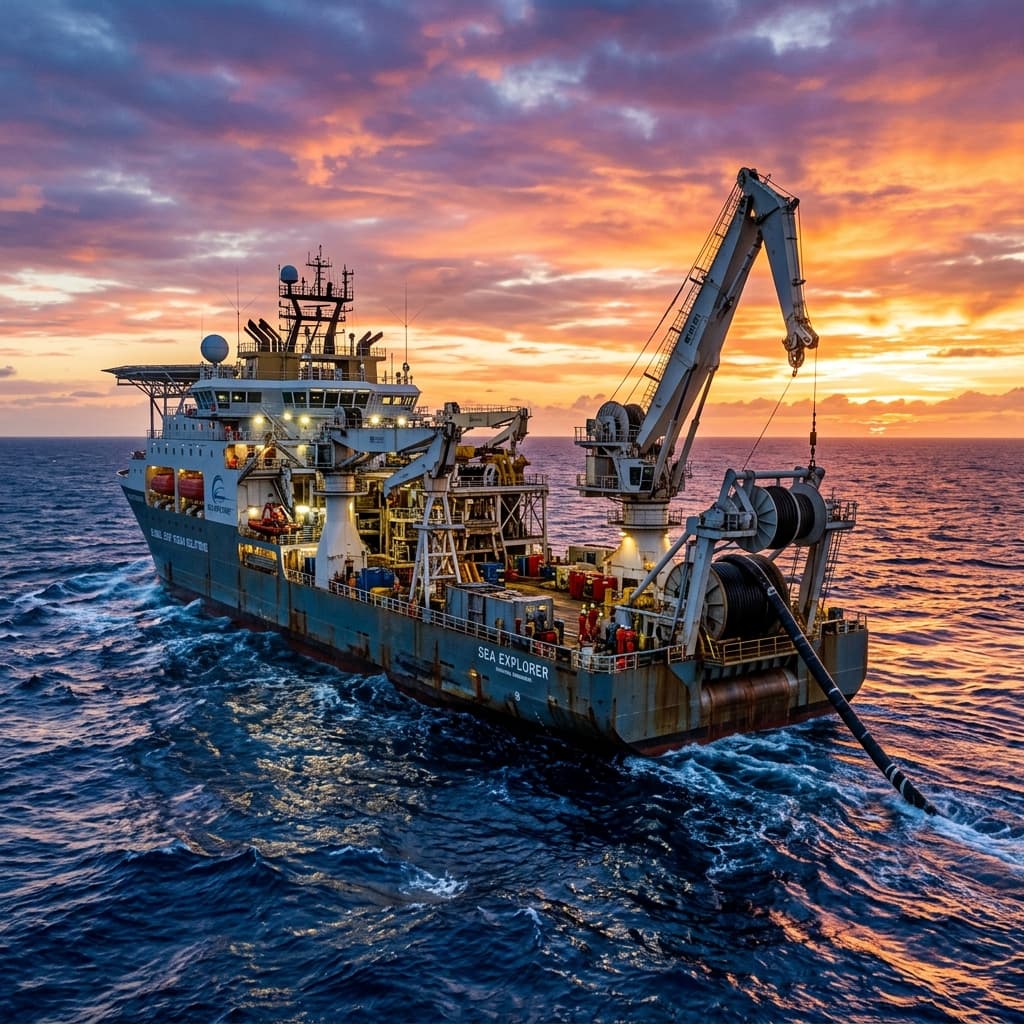
These ships drop remote-controlled robots down to the dark ocean floor to fish out the exact broken cable, drag it up to the deck, and engineers literally weld the tiny glass hairs back together by hand.
That sounds incredibly stressful and expensive. Why don't we just use satellites for everything? My uncle uses Starlink. No cables to cut, just space internet beaming straight to his roof.
Actually, Starlink still uses cables! The satellite is just a middleman. When your uncle's Starlink dish sends a signal to space, that satellite immediately bounces it back down to a massive Starlink "Ground Station" here on Earth.
Wait, so it comes back to the ground?
Yep! And guess what that Ground Station is plugged into? The exact same underground fiber cables and beach landing stations we just talked about. The satellite just acts like a really tall, wireless mast to connect remote places back to the physical global web.
Plus, satellites have a massive problem: Capacity and Distance.
A signal traveling up to space and back takes a tiny bit of extra time. But the real issue is volume. One single undersea fiber cable lying on the ocean floor in Lekki can carry way more data than thousands of satellites combined. Space internet gets congested very easily. For billions of people to stream 4K videos at the same time, we absolutely need those thick physical tubes down in the dirt and the sea.
That is actually insane. So my phone sending a "Hi" right now runs down my street, jumps into a glass pipe under the expressway, hits a giant room in Lagos to see if the recipient is in Nigeria, and if not, it crawls into the sea, crosses the Atlantic, and hits a server in America... and gets a reply... in milliseconds.
Exactly. You are physically wired to the rest of the planet. Next time your movie buffers, just remember: your data is literally swimming across an ocean. Give it a second.